What Happens to a Bank Account After Death in the UAE? A Guide for Heirs
UAE banks block an account once they learn the holder has died, and the money stays put until the heirs bring a court document and a POA or court order. Joint accounts freeze only the deceased's share, but you must tell the bank within ten days. Here is what to file, where, and in what order.
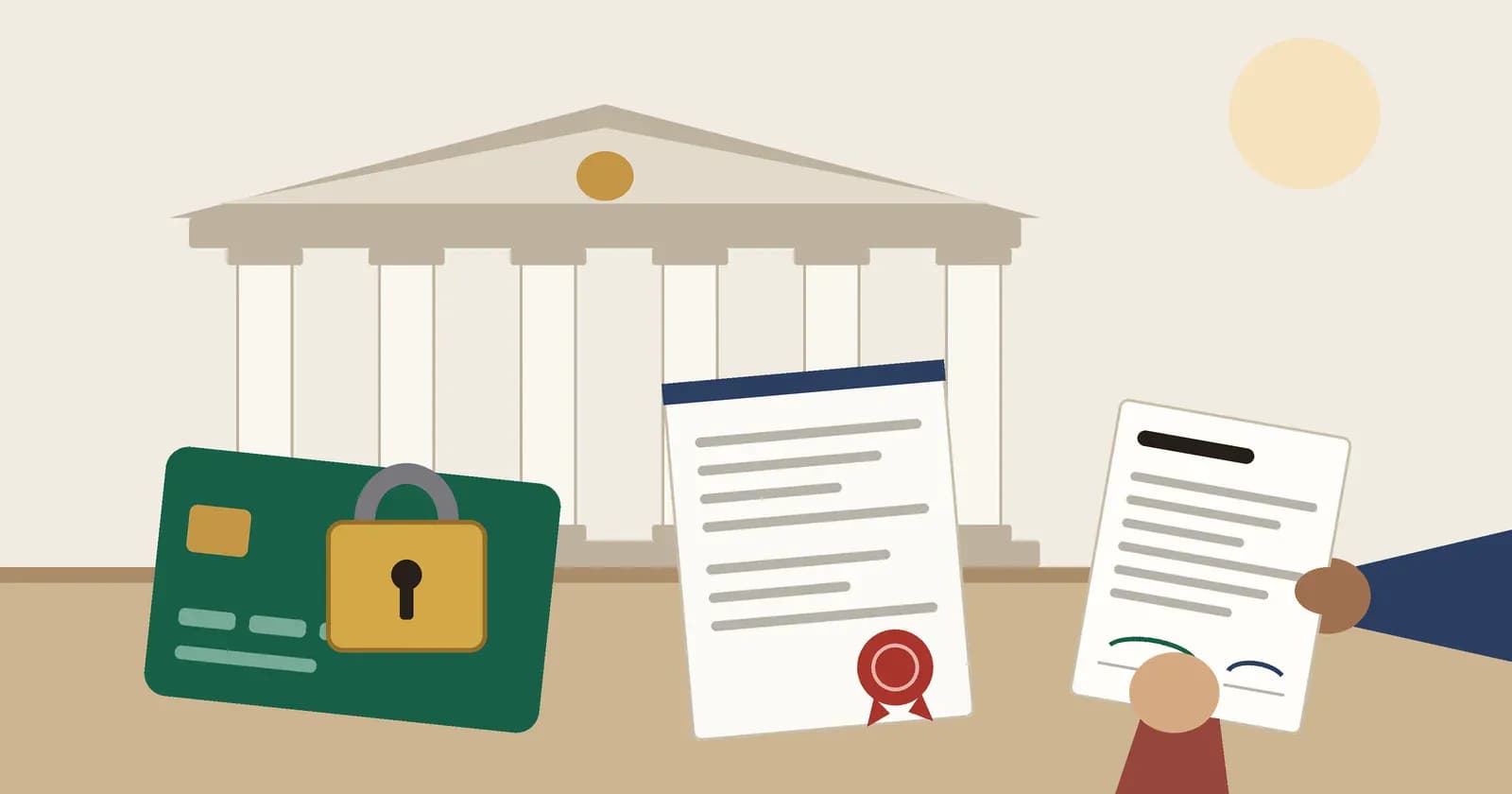
When a UAE bank learns that an account holder has died, it will normally block the account, and the money stays there until the heirs show the bank a court document saying who is entitled to it. Expect to need the death certificate, an inheritance or succession document from the competent court (or a DIFC grant of probate if there is a DIFC will), and either a power of attorney from all the heirs or a court order naming someone to act for them. In a joint account, only the deceased holder's share is frozen; the surviving holder can still use their own share.
That is the short version. The longer version matters, because the weeks after a death are exactly when a family needs cash for rent, school fees and the funeral, and a frozen account catches many people off guard.
Are bank accounts frozen after death in the UAE?
Yes, in practice. The Central Bank of the UAE's Consumer Protection rules list a small number of reasons a bank may block a customer's account, and "evidence that the Consumer has died" is one of them (see the CBUAE Rulebook, section 5.1.2 on deposit products).
The reason is simple. The money no longer belongs to the account holder; it is part of an estate. Before anything is paid out, the estate's debts and costs have to be dealt with and the heirs or beneficiaries have to be identified by a court. A bank that paid a relative directly would be taking a risk it is not allowed to take.
Two practical consequences follow:
- Standing orders, cheques and card payments can fail. Rent cheques and direct debits drawn on the account may bounce, so tell landlords and schools early.
- Nobody can "just withdraw it". Not a spouse, not an adult child, not a relative who knows the PIN. Using the deceased's card or online banking after death is not a shortcut; it is a problem you will have to explain later.
What happens to a joint account when one holder dies?
The surviving holder keeps access to their own share, but the deceased's share is suspended.
This is written into federal law. Article 379(4) of the Commercial Transactions Law (Federal Decree-Law No. 50 of 2022) says that when a joint account holder dies or loses legal capacity, the remaining holders must tell the bank within ten days. From that notice, the bank suspends withdrawals up to the deceased's share of the balance on the date of death, and "no withdrawal shall be made from the share of the deceased" until a successor is appointed. Unless the account opening agreement says otherwise, joint holders are treated as holding equal shares.
So a joint account is useful for day-to-day cash flow, but it is not a way around inheritance. Couples who opened a joint account "so the other one can manage" are often surprised to find half the balance locked.
Which documents do heirs need to release the money?
Banks set their own checklists, so always ask the branch or the bank's legal department for theirs in writing. As an example of what a UAE bank publishes, the Emirates Islamic legal FAQ asks heirs for:
- The death certificate.
- An inheritance or succession certificate.
- A valid power of attorney from all the heirs to one representative with banking powers, or a court letter or order appointing a representative or inheritance manager.
The same FAQ makes two points that families often push back on. First, even a sole son or daughter has to go through this; there is no "only child" exception. Second, a court-appointed inheritance manager needs a court letter or order addressed to the bank, not just the first-instance judgment.
Documents issued outside the UAE, such as a foreign death certificate or a POA signed by an heir abroad, need to be attested (UAE embassy in the issuing country, then the UAE Ministry of Foreign Affairs) and legally translated if they are not in Arabic or English. Our guide to UAE MOFA document attestation explains the chain.
Which court issues the document the bank wants?
It depends on whether there is a will, where it was registered, and the emirate.
- DIFC Courts will (Dubai and Ras Al Khaimah assets): the executor applies to the DIFC Courts Wills and Probate Registry for a grant of probate and then has it enforced through the Dubai Courts so that banks and registries act on it. We walk through each step in DIFC will probate: what the executor does after death.
- Abu Dhabi, non-Muslim deceased: the heirs file the Inheritance Application for Expats with the Abu Dhabi Civil Family Court. On that form you can ask the court to distribute the estate under the registered will, distribute it under Abu Dhabi Law No. 14 of 2021 where there is no will, or appoint an estate administrator. The form notes that all heirs aged 16 and over must attend the first court session, and that all heirs must attend to confirm their agreement if an administrator is to be appointed.
- Dubai Courts, other emirates, and Muslim estates: the heirs apply to the competent personal status or inheritance court for the document that identifies the heirs and their shares, and an estate file where assets must be listed and distributed. Procedures and names differ by court, so confirm the current service with the court before you file.
If there was no will at all, the court applies the default rules, which may not match what the family expects. Our guide on what happens without a will in Dubai covers that scenario.
Can I use the deceased's power of attorney to access the account?
No. A power of attorney given by the account holder ends on their death, so an agent who managed the account while the person was alive cannot keep using that POA afterwards. We explain why in what happens to a power of attorney when someone dies.
What does work is a new power of attorney signed by the heirs themselves, appointing one person to deal with the bank on their behalf. This is the document that saves the most time in practice, especially when heirs live in different countries. Each heir abroad can sign a POA where they live and have it attested for use in the UAE; see our guide to making a POA from outside the UAE. Make sure it expressly covers dealing with the named bank, receiving and transferring funds, and closing accounts, and that the names match the succession document exactly.
What should the family do in the first few weeks?
A simple order of work avoids most delays:
- Notify the bank in writing with a copy of the death certificate. If there is a joint account, the other holder should do this within the ten-day window in Article 379(4).
- Ask the bank for its written list of documents to release or close the account, and whether it needs a court letter sent through official channels.
- List all accounts, cards, loans and deposits you know of. Outstanding credit cards and loans are part of the estate, and the court and the bank will want to see the full picture. We explain who actually has to pay them in what happens to debt after death in the UAE.
- Open the court file that fits the case (DIFC probate, Abu Dhabi Civil Family Court, or the competent court in your emirate).
- Get the heirs' POA signed early, in parallel with the court file, so it is ready when the succession document is issued.
- Present the court document and POA to the bank and follow up regularly until funds are transferred.
Timelines depend on the court, the bank and how quickly documents from abroad can be attested, so plan for weeks rather than days, and keep some cash available outside the deceased's accounts. If the person was employed, their final salary, leave pay and end-of-service gratuity are paid separately by the employer, which the Labour Law requires within 10 days of the death, so that is often the first money a family can reach. We explain who receives it in gratuity after an employee dies in the UAE.
How can you make this easier for your own family?
You cannot stop a bank from blocking your account when you die, but you can shorten what comes next. A registered will that names an executor gives the court a clear plan. Keeping a current list of your accounts, and making sure your spouse has some money in their own name, means the household is not stuck while the paperwork runs. Read our guide on choosing an executor for your will in the UAE if you are starting that conversation.
Frequently asked questions
Can a wife withdraw money from her late husband's bank account in the UAE?
Not on her own authority, unless the money is her share of a joint account. The deceased's balance stays blocked until the bank receives the succession document and either a POA from all the heirs or a court order naming a representative.
How long do I have to tell the bank about the death of a joint account holder?
Ten days from the date of death, under Article 379(4) of the Commercial Transactions Law. The bank then suspends withdrawals up to the deceased holder's share.
Does a DIFC will help release a UAE bank account faster?
It gives the court and the bank a clear executor and a clear plan, which usually makes the process more predictable. The executor still needs a DIFC grant of probate, enforced through the Dubai Courts, before the bank will act.
Can one heir collect the money if the others live abroad?
Yes, if the other heirs sign a power of attorney appointing that person, attested for use in the UAE, or if the court appoints them as representative or estate administrator.
Is the deceased's POA still valid for the bank?
No. A POA ends with the death of the person who gave it. The heirs need their own POA, or a court order, to deal with the account.
The Deed Box prepares powers of attorney for heirs in the UAE and abroad, DIFC wills and ADJD wills, and document attestation. We are not a law firm, so for disputed or complex estates, take legal advice.
Sources reviewed 28 October 2026: CBUAE Rulebook, Consumer Protection Standards section 5.1.2 (account blockage); Federal Decree-Law No. 50 of 2022 (Commercial Transactions Law), Article 379; Emirates Islamic legal FAQ on deceased account holders and joint accounts; Abu Dhabi Civil Family Court Inheritance Application for Expats (form ADJD-NM0723-05-03). Bank and court requirements change, so confirm with the bank and the court before you file.